Keeping your dog physically healthy is essential for their well-being and longevity. It involves more than just feeding them and taking them for walks. You need to consider various aspects of their care to ensure they thrive. From diet to exercise, each element plays a crucial role. Curious about the best ways to achieve this? Let’s explore some effective strategies that can make a significant difference in your dog’s life.
Provide a Balanced Diet
When you provide a balanced diet for your dog, you’re laying the foundation for their overall health and well-being. A nutritious meal plan includes high-quality protein, healthy fats, and a variety of fruits and vegetables. This combination fuels their energy levels, supports muscle development, and strengthens their immune system.
Pay attention to portion sizes based on your dog’s age, size, and activity level to prevent obesity. Always choose dog food that meets AAFCO standards to ensure it contains essential nutrients.
Don’t forget to keep their water bowl filled; hydration is key. If you’re considering homemade meals, consult your vet to guarantee it’s balanced.
Ensure Regular Exercise
Ensuring your dog gets regular exercise is vital for their physical and mental health, as it helps maintain a healthy weight and reduces the risk of behavioral issues. Aim for at least 30 minutes of moderate activity each day, depending on your dog’s breed and age.
Daily walks, play sessions, or even dog-friendly sports can keep them engaged and active. Mix up the routine to prevent boredom—try hiking, fetch, or agility training.
Remember, mental stimulation is just as important, so incorporate interactive toys or training exercises into their playtime. Regular exercise not only strengthens their muscles and joints but also boosts their mood, keeping them happy and well-adjusted.
Your commitment to their fitness will pay off in a healthier, more content companion.
Schedule Routine Vet Check-ups
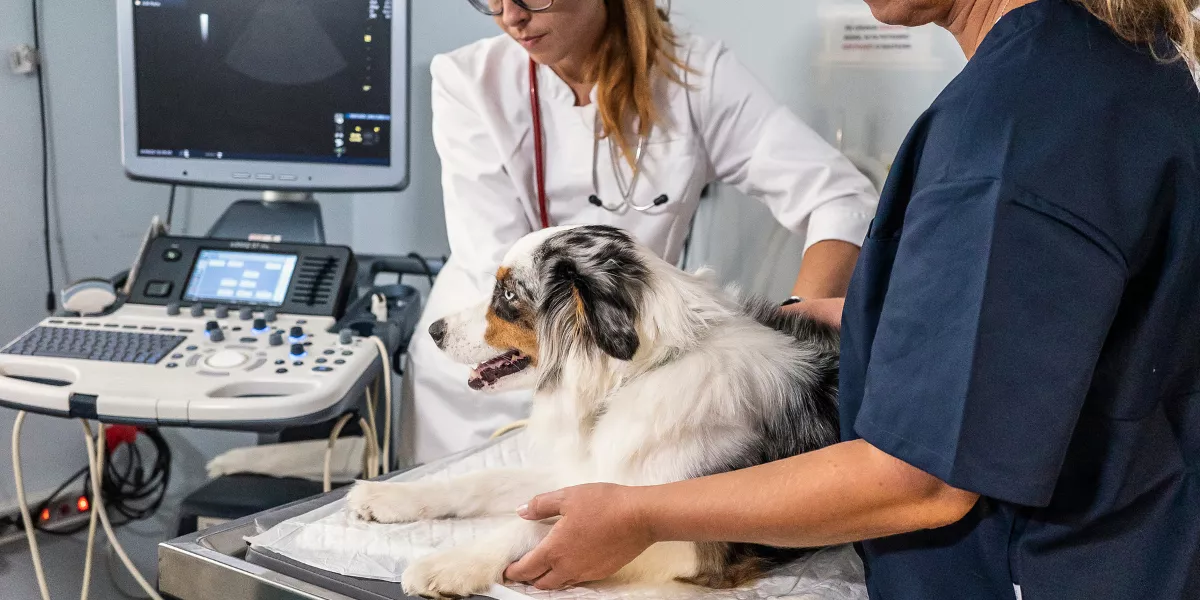
Regular exercise keeps your dog happy and healthy, but it’s equally important to stay on top of their medical care. Scheduling routine vet check-ups is essential for your dog’s overall well-being.
These visits allow your vet to monitor your dog’s health, catch any potential issues early, and keep their vaccinations up to date. During these check-ups, your vet can provide advice tailored to your pet’s specific needs, including dental care and parasite prevention.
Aim for at least one annual visit, but more frequent trips may be necessary for older dogs or those with health concerns. By prioritizing these check-ups, you’re taking a proactive approach to your dog’s health and ensuring they enjoy a long, happy life with you.
Maintain a Healthy Weight
A healthy weight is crucial for your dog’s overall health and longevity. Being overweight can lead to serious health issues like diabetes, joint problems, and heart disease.
To maintain your dog’s ideal weight, start by measuring their food portions accurately. Use a high-quality dog food that meets their specific needs, considering their age, breed, and activity level.
Regular exercise is equally important; aim for daily walks, playtime, or engaging activities to keep them active. Monitor their weight regularly and consult your vet if you notice significant changes.
Offer Mental Stimulation
Mental stimulation is just as important for your dog’s well-being as physical exercise. Engaging your dog’s mind helps prevent boredom and destructive behaviors.
Try incorporating puzzle toys that challenge them to think and problem-solve. You can also teach new tricks or commands, which keeps their brains active and strengthens your bond.
Regularly changing their toys and games can keep things fresh and exciting. Consider interactive games like hide-and-seek or scent work to tap into their natural instincts.
Socialization with other dogs and people also provides mental challenges, as they learn to navigate different environments.
Keep Hydrated
How can you ensure your dog stays properly hydrated?
First, always provide fresh, clean water in a bowl that’s easily accessible. Make it a habit to refill it daily and clean the bowl regularly to prevent bacteria build-up.
If your dog spends time outdoors, especially in hot weather, bring water along for walks or trips to the park. You can also add ice cubes to their water for a refreshing treat.
Pay attention to your dog’s behavior; if they’re lethargic or seem disinterested in drinking, it might be time to encourage them with wet food or dog-friendly broth.
Promote Dental Health
Keeping your dog hydrated plays a significant role in their overall well-being, but dental health shouldn’t be overlooked either.
Regular dental care is crucial to prevent plaque buildup, gum disease, and bad breath. Start by brushing your dog’s teeth a few times a week using a toothbrush and toothpaste made for dogs. You can also offer dental chews that help reduce tartar and plaque.
Don’t forget to schedule routine vet check-ups, where your vet can perform professional cleanings and assess your dog’s oral health. Providing chew toys can also strengthen their teeth and gums.
A healthy mouth leads to better overall health, so make dental care a priority in your dog’s routine. Your furry friend will thank you for it!
Prioritize Socialization
While many focus on physical health, prioritizing socialization is equally important for your dog’s overall well-being. Engaging with other dogs and people helps your furry friend develop confidence and good behavior. Regular playdates, trips to the dog park, or obedience classes can expose your pup to various environments and stimuli, reducing anxiety and fear.
Make socialization a part of your daily routine. Whether it’s a walk around the neighborhood or a visit to a pet-friendly café, these experiences enrich your dog’s life.
It’s also a fantastic way to strengthen the bond between you both. Remember, a well-socialized dog is often happier, healthier, and more adaptable.
Create a Safe Environment
Creating a safe environment for your dog is essential to their health and happiness. Start by removing any hazardous items like chemicals, sharp objects, or electrical cords they might chew on.
Ensure your yard is securely fenced to prevent escapes and protect them from traffic. Provide a comfortable space indoors with a cozy bed and access to fresh water.
Keep dangerous plants out of reach, as some can be toxic. Regularly check for small items that could pose choking hazards.
Consider using baby gates to limit their access to certain areas of your home. By creating a secure space, you’ll give your dog the freedom to explore safely, reducing anxiety for both of you while fostering a happy, healthy life together.
Monitor for Signs of Illness
Once you’ve established a safe environment for your dog, it’s important to stay vigilant for signs of illness.
Watch for changes in behavior, like decreased energy or appetite. If your dog seems lethargic, refuses to play, or hides away, take note.
Monitor their weight, as sudden gains or losses can indicate health issues. Keep an eye on their coat; dull fur or excessive shedding may suggest problems.
Pay attention to bathroom habits too—unusual urination or bowel movements can signal distress.
Regularly check their eyes, ears, and gums for any abnormalities. If you notice anything concerning, don’t hesitate to consult your veterinarian.
Early detection can make a big difference in your dog’s health and well-being.
Conclusion
By following these top 10 tips, you can help keep your dog physically healthy and thriving. A balanced diet, regular exercise, and routine vet check-ups are essential, while mental stimulation and socialization enrich their lives. Don’t forget to prioritize dental health and maintain a safe environment. Always keep an eye on any signs of illness so you can act quickly. Your furry friend depends on you for a long, happy, and healthy life!