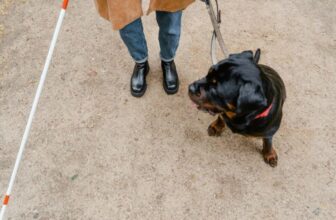

Socialization is crucial for your dog’s emotional well-being. It shapes their confidence and helps manage anxiety. By exposing your dog to different people, animals, and environments, you lay the groundwork for a trusting relationship. A well-socialized dog not only behaves better but also enjoys a more fulfilling life. So, what are the key benefits of these positive interactions, and how can you tell if your dog is truly well-socialized?
The Importance of Early Socialization
When you bring a puppy into your home, early socialization is crucial for their development. It helps them adapt to new experiences, people, and environments, shaping their behavior and personality.
By exposing your puppy to various stimuli—sounds, sights, and smells—you set the foundation for a well-adjusted adult dog. This process allows them to build confidence and reduces the likelihood of fear or aggression later on.
Make sure to introduce your pup to other dogs, different surfaces, and various situations. Positive experiences during this critical period can foster a more sociable and relaxed demeanor.
Benefits of Positive Interactions
Positive interactions during socialization play a significant role in your puppy’s emotional health and overall behavior. When you expose your dog to positive experiences, like friendly encounters with other dogs or gentle handling by people, you’re building their confidence.
These experiences help them learn how to respond to various situations, reducing anxiety and fear. Additionally, positive interactions foster trust between you and your dog, strengthening your bond.
This relationship encourages your puppy to be more open and curious about new experiences. Over time, consistent positive socialization helps cultivate a well-adjusted adult dog who’s comfortable in different environments, making outings more enjoyable for both of you.
Ultimately, investing in positive interactions leads to a happier, healthier dog.
Signs of a Well-Socialized Dog
A well-socialized dog displays a range of behaviors that indicate comfort and confidence in various situations.
You’ll notice your dog eagerly greeting new people and other pets without hesitation, wagging its tail and maintaining a relaxed posture. It may explore new environments with curiosity rather than fear, showcasing a willingness to engage with its surroundings.
Additionally, a well-socialized dog can handle changes in routine or unexpected noises calmly, showing adaptability.
When interacting with other dogs, it exhibits appropriate play behavior and reads social cues effectively. If your dog remains relaxed during vet visits or grooming sessions, it’s a clear sign of positive experiences.
Conclusion
In conclusion, prioritizing your dog’s socialization is crucial for their emotional health. By exposing them to various people, pets, and environments early on, you build their confidence and reduce anxiety. You’ll notice the benefits as they engage in positive interactions and adapt well to new situations. A well-socialized dog not only leads a happier life but also strengthens your bond, making your shared experiences more enjoyable. So, invest time in socialization and watch your furry friend flourish!